In this guide
- Setup and photography costs are agreed before you sign, and your home is usually live within about three days of signing, on many booking platforms and our own website.
- Before the first guest arrives, tell your insurer and mortgage lender, check your lease if you have one, and make sure your fire and gas safety paperwork is in place.
- Platforms pay out around each stay, not when the booking is made: Airbnb soon after check-in, Booking.com after check-out. Your statement comes around the 7th of each month and payment follows on the 10th.
The first month at a glance
The first month falls into two halves. Before you sign, most of the work is yours: getting the home furnished and your paperwork in order. After you sign, the running of the let moves to us, and your part becomes watching the calendar fill and reading your first statement.
- Before you signEarnings report and costsYou get a free, written earnings report, and we agree the setup and photography costs with you before you commit.
- Week 1Sign and get readyThe home is photographed and the listings are written, while you check that the furnishing, linen, keys and two lock boxes are all in place.
- Week 1, usually within three daysGo liveThe home goes live on many booking platforms and our own website, with every night priced against local demand.
- Weeks 1 to 4First guestsEvery guest is checked before check-in, and we manage the cleaning and linen between stays.
- Around the 7thYour statementEvery booking and every cost on its own line, and in your owner portal too.
- The 10thYou are paidPayment reaches you on the 10th of the month.
The launch can only move as fast as the home is ready. If it is furnished and your paperwork is sorted before you sign, there is very little left to hold things up. Three numbers sum up the timing.
The calls to make before the first booking
Some jobs only you can do, and they belong before any guest is booked. Letting your home to paying guests changes how your insurer, your lender and, for a flat, your freeholder see it. Sorting these out early costs a few phone calls. Finding a problem after a guest has stayed can cost far more.
- Your insurer. Most home and long-let landlord policies limit or exclude cover once paying guests stay. Tell your insurer before the first booking and switch to specialist short-let cover if your policy does not fit. Keeping quiet can leave a claim unpaid. See our guide to insurance for short lets.
- Your mortgage lender. Residential and standard buy-to-let mortgages usually rule out short lets without the lender’s permission. Ask in writing and keep the reply. Our guide to mortgages and short lets explains the options.
- Your lease. If the home is a leasehold flat, check what the lease says about short lets, and get the freeholder’s consent where the lease needs it. See leasehold flats and short lets.
- Fire safety. In England and Wales, the person responsible for fire safety, usually the owner, must carry out a fire risk assessment and keep a written record of it. Our guide to fire safety covers what it involves.
- Gas and electrics. If the home has gas, it needs a gas safety check by a Gas Safe registered engineer every 12 months, and the electrics should be checked by a qualified electrician. See gas and electrical checks.
- HMRC. If you do not already file a tax return, you need to register for Self Assessment by 5 October after the end of the tax year in which your rental income starts. Our guide to tax on short-let income explains the rest.
Getting the home ready
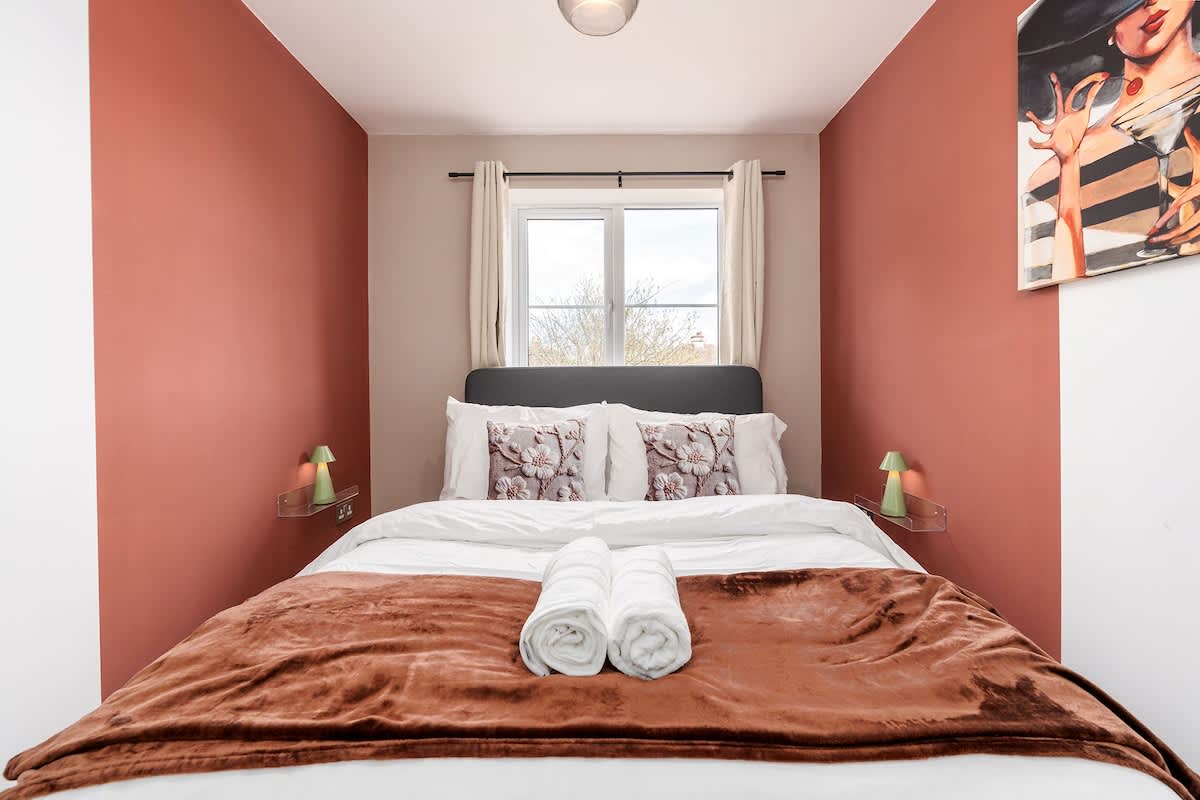
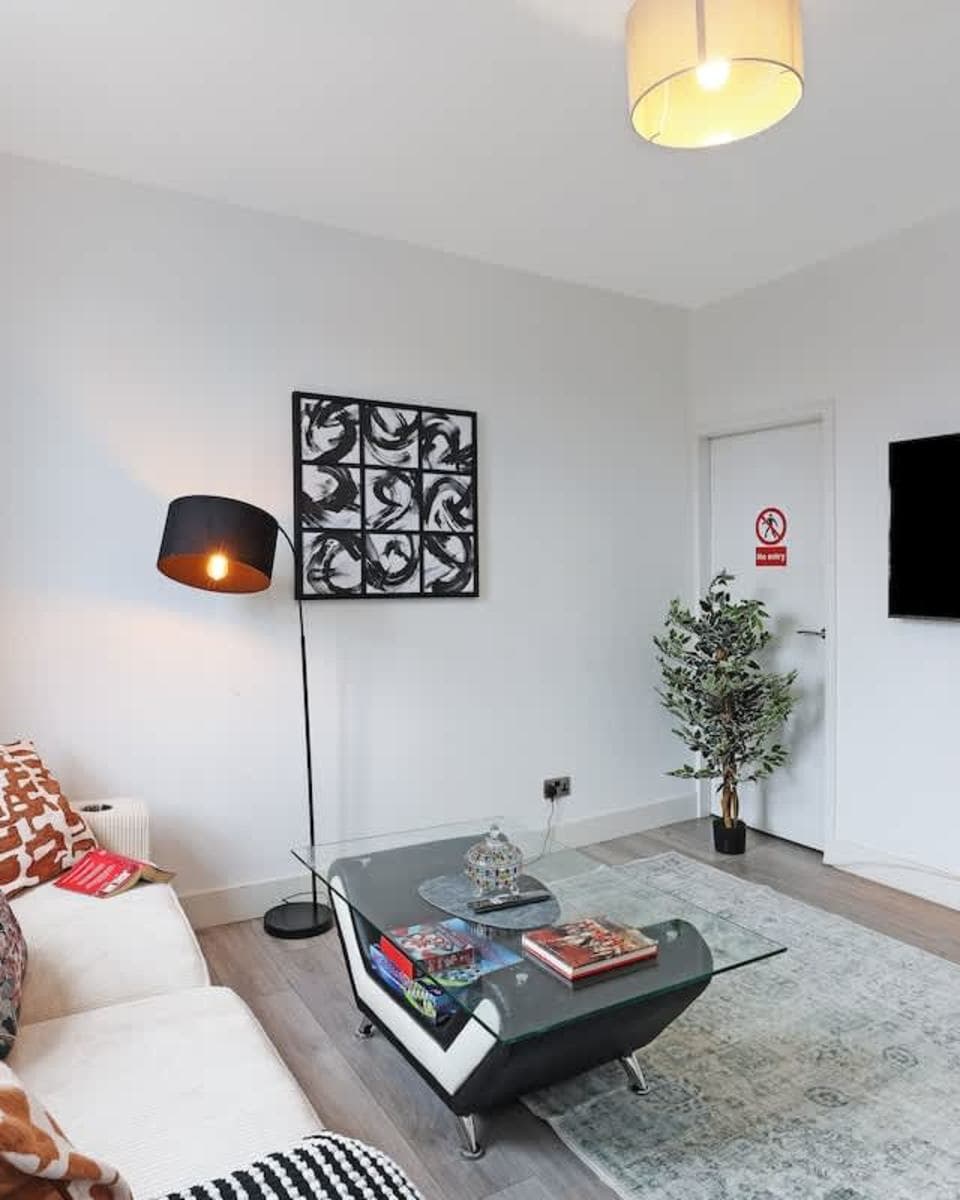
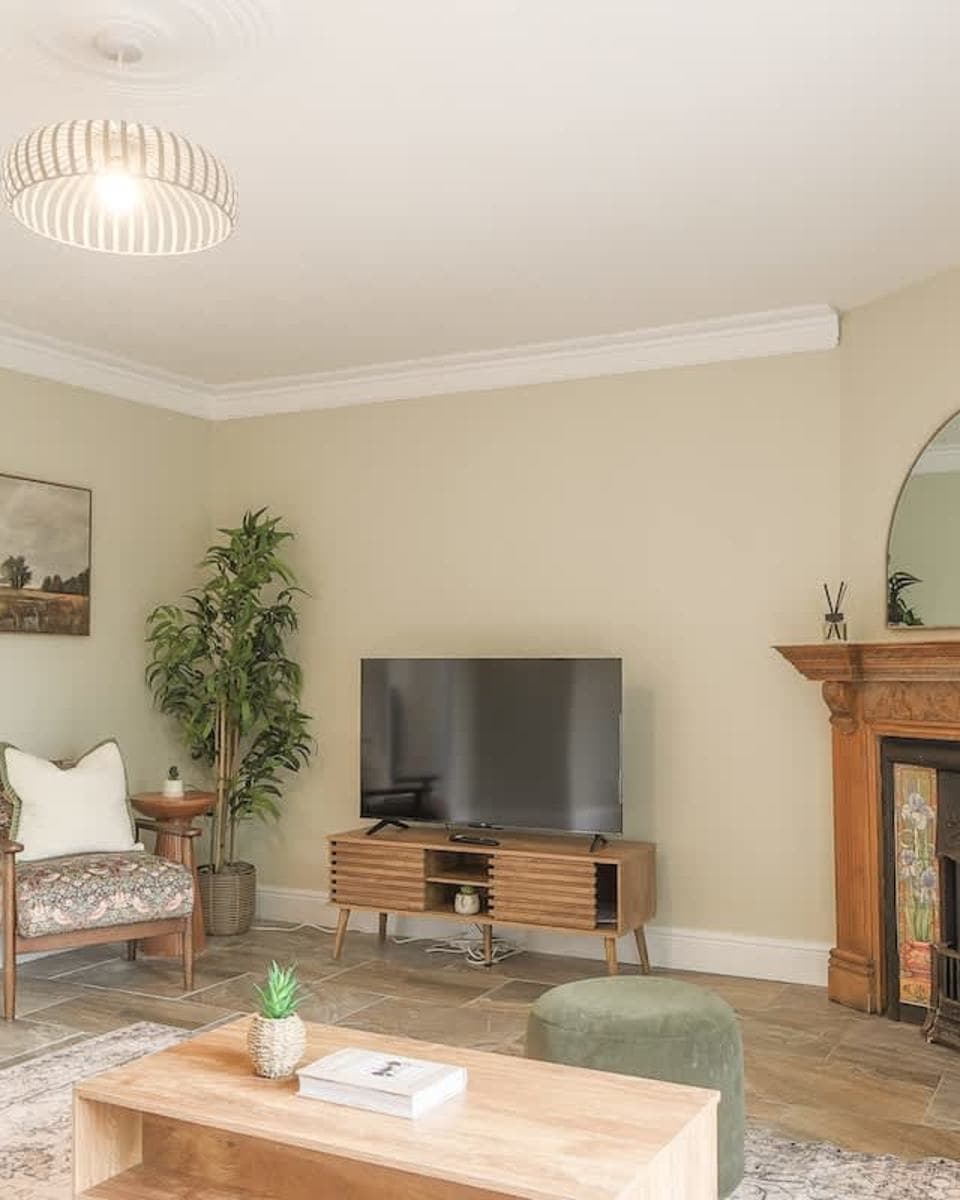
Before the home goes live, it must be furnished, with linen, keys and two lock boxes, so a guest who loses a key or forgets a code is never stuck outside. Guests also expect a kitchen they can cook in, which means pans and utensils at the very least.
Finish the furnishing before the photos are taken. The photos are the first thing a guest judges your home on, and a half-finished room does the listing no favours. If you need help furnishing, we can point you to suppliers. Our guide to getting your home guest-ready has the full list.
Two starting points need a little more planning. If the home is coming from a tenant, we clean it and add everything guests need once the tenant has moved out, so it is ready for its first stay. If it is coming from another manager, they close their listing on a date we agree and ours starts from that date, so there are no double bookings. Our guides on moving from a long let and switching manager go through both.
Who does what
Once you sign, the split is simple. You look after the home itself, the bills and the supplies. We run the let.
We usually ask before spending over £100 on your behalf, and we tell you about smaller costs where we can. That applies from the very first week, so a larger repair should not come as a surprise on your statement.
Going live and the first bookings
Your home is usually live within about three days of signing, on many booking platforms and our own website. From then on we price every night against local demand, so a quiet weeknight and a busy weekend are not sold at the same rate. Quieter gaps can be filled with longer work stays, such as contractors and NHS staff, and with insurance stays, where an insurer places a family while their own home is repaired.
Expect the first weeks to look uneven. A brand-new listing has no reviews, and guests lean heavily on reviews when they choose, so early bookings tend to arrive in ones and twos and are often for dates close at hand. That is normal, and it changes as reviews build up.
Those first reviews carry extra weight because, for a while, they are the only ones you have. Airbnb and Booking.com both show an overall score only once a listing has at least three reviews. On Airbnb, guest and host each have 14 days after checkout to write a review, and neither is published until both are in or the 14 days are up. Booking.com emails guests once they check out and gives them 90 days to leave a review.
The platforms know a new listing starts from behind. Airbnb, for example, lets many new listings offer 20% off their first three bookings to help them get going.
Judge the let on months, not days. We look into every review and fix whatever caused it, and that matters most in the first few stays. A slow first fortnight says little about how the home will do once it has a few good reviews behind it.
Your first guests
Your first guest goes through exactly the same checks as every guest after them. Nobody arrives without them.
- A booking comes inFrom one of the booking platforms or our own website.
- The guest is checkedPhoto ID, a signed rental agreement, and a damage deposit or damage waiver.
- We know who and whyThe guest tells us who is staying and the reason for the trip.
- Stay, then cleanGuests pay a cleaning fee, and we manage the clean and the linen before the next arrival.
- The reviewWe look into every review and fix whatever caused it.
Guests stay on a licence, not a tenancy, and every stay ends on the last paid night. That is written into our booking terms, and it is one of the biggest differences from a long let. If something is damaged, we arrange the repair and handle any claim. Our guides on how guests are checked and when a guest damages your home go into more detail.
Your home stays yours, and you can block dates and stay there whenever you like. If you can, avoid blocking long stretches in the first month, because these are the weeks when the listing collects its first reviews.
Your first statement and payment
Money follows stays, not bookings. The booking platforms release payment around the stay itself: Airbnb, for example, releases a host’s payout about 24 hours after the guest checks in, and Booking.com pays after check-out on a weekly or monthly schedule. A booking taken in your first week for a stay two months away brings in nothing until that stay happens.
So your first statement can look smaller than your calendar. That is timing, not a shortfall. Statements arrive around the 7th of each month, with every booking and every cost on its own line, and payment follows on the 10th. In between, your owner portal shows your calendar, earnings and statements whenever you want to look, so you can watch bookings land as they come in.
Keep every statement from the first one onwards. They are itemised for your accountant, and they are the record you will need at tax time. Our guide to the monthly statement walks through one line by line.
Registration in Wales, England and Scotland
Where registration or licensing applies, it is part of getting started. In Wales, anyone taking bookings of 31 nights or fewer must register with the Welsh Revenue Authority by 31 March 2027, even where the council has no visitor levy. Registration is free, and we register homes where it applies. Our guide to holiday lets in Wales covers the business rates test, council tax premiums and the levy as well.
England has no register yet. Government guidance expects a national register of short lets to start in March 2027, and we will register homes when it opens; see the short-let register. In Scotland, you need a short-term let licence from your council before you take a booking, and we prepare the application with you; see short lets in Scotland. In Northern Ireland, we help you apply for the Tourism NI certificate.
Questions owners ask
Can I stay in my home during the first month?
Yes. You can block dates and stay whenever you like. Shorter blocks help early on, because the first weeks are when a new listing collects its first reviews.
Why is my first statement smaller than my calendar suggests?
Booking platforms pay out around each stay, not when the booking is made. A stay booked now for later in the year is paid once that stay happens, so it appears on a later statement.
Do I have to buy everything new before going live?
No. The home needs to be furnished, with linen, keys, two lock boxes and the kitchen basics guests expect, and what you already own may well do. If there are gaps to fill, we can point you to suppliers.
What if I change my mind in the first few weeks?
Notice is 30 days in your first three months and 90 days after that. There is no long lock-in, and the home stays yours throughout.
Do I need to tell HMRC straight away?
Not on day one, but do not leave it. If you do not already file a tax return, register for Self Assessment by 5 October after the end of the tax year in which your rental income started.
- Welsh Government: Registering visitor accommodation, overview
- GOV.UK: Letting out a self-catering holiday home in England, rules and regulations
- GOV.UK: Renting out a property, paying tax
- legislation.gov.uk: Regulatory Reform (Fire Safety) Order 2005, article 9, risk assessment
- Airbnb: Getting paid as a new host
- Airbnb: How reviews work
- Airbnb: Ratings for homes
- Booking.com for partners: Everything you need to know about guest reviews