Short let or long let
Short let or long let? Compare them properly.
A long let pays the same every month. A short let moves with the seasons, costs more to run and can earn more. Here is how they compare, and how to tell which suits your home.
More than a long let, on average.
See the homes behind itCompare your options
Three ways to let your home. One does both.
Long lets are easy but earn less. Doing it yourself earns more but takes over your week. We give you the income without the work.
- IncomeFixed rent, rising once a year at most
- Your timeSome, for repairs and tenant issues
- Guest and tenant callsYour tenant calls you
- Your home looked afterChecked when the tenant moves out
- PaperworkDeposits, notices and the landlord database
- Using it yourselfNot while a tenant lives there
- IncomeEvery night priced for demand
- Your timeNone. We run it end to end
- Guest and tenant callsOur guest care team takes them
- Your home looked afterCleaned and checked after every stay
- PaperworkRegistration handled for you
- Using it yourselfBlock dates whenever you like
- IncomeOnly as good as your pricing
- Your timeEvery day: guests, cleans and pricing
- Guest and tenant callsYou answer every one
- Your home looked afterYou arrange cleaners and checks
- PaperworkAll yours to keep up with
- Using it yourselfBlock dates whenever you like
Side by side
They differ on far more than the rent.
Pick a topic to compare. Neither is better in general: the right choice depends on the home, where it is, and what you want from it.
Steady monthly rent, set for a year at a time
Varies by season and by night, and can be higher in strong months
Long lets in England
The rules for long lets have changed.
The Renters’ Rights Act 2025 is the biggest change to private renting in England for decades. Short let guests stay on a licence, not a tenancy, so none of this applies to them.
Section 21 ended. Every tenancy in England now rolls on with no end date.
Notice to sell or move in, and you cannot use either reason in the first year.
The most often rent can rise, with two months’ notice.
Source: GOV.UK, Implementing the Renters’ Rights Act 2025. England only: Wales and Scotland have their own rules. Read the full guide
Which suits your home
Five questions, a clear answer.
Five quick questions about your home and your plans. Tap an answer to each, and your result appears straight after the fifth.
- Takes under a minute
- Nothing to sign up for
Is the home near a town centre, the coast, a hospital, a university or a big employer?
Owners who chose short lets
Compared with a long let, after our fees.
Real homes we run, each compared with what a long let would have paid.
See every case study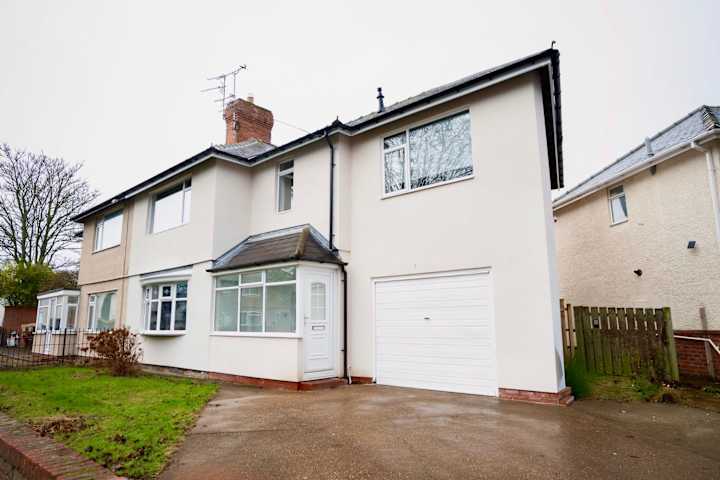 +68%vs a long letInstead of a long letBought, rebuilt and full of contractors.4 bedroom house · Blyth
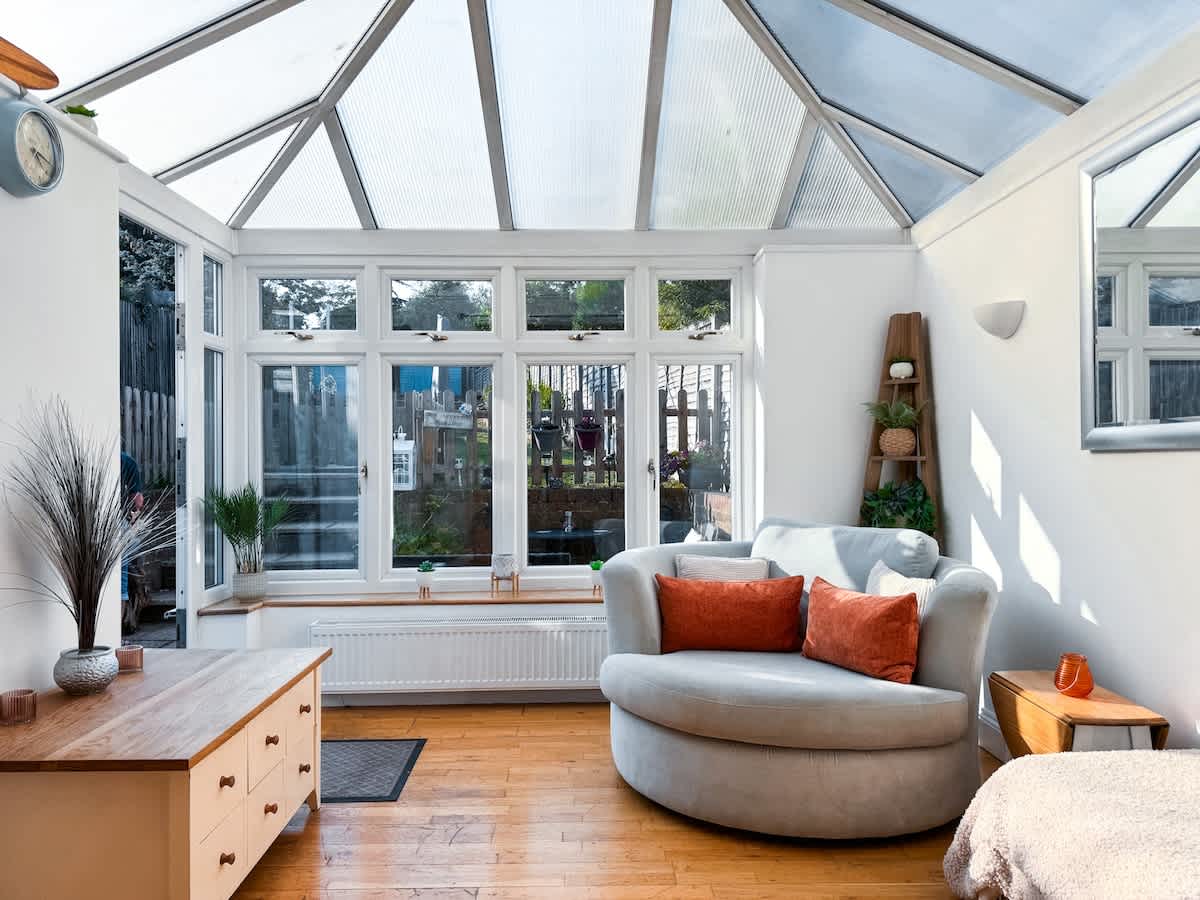 +46%vs a long letInstead of a long letHer home, earning 46% more than a long let.2 bedroom house · Rochester, Medway
 +32%vs its long letSwitched from a long letA themed home, earning 32% more than its long let.1 bedroom apartment · West Ealing
I have a tenant now. Can I end the tenancy to switch to short lets?
Not on that reason alone in England. Since 1 May 2026, wanting to change how you let the home is not a ground for possession. You can switch if the tenant chooses to leave, which they can do with two months’ notice.
Is a short let guest a tenant?
No. Short stay guests are usually licensees: they have permission to stay for agreed nights, and that permission ends when the stay does. Our booking terms say so in writing.
Are short lets taxed differently?
Not any more. Since the holiday let tax regime ended in April 2025, short let and long let income are taxed the same way, as property income.
Can I go back to a long let later?
Yes. Many owners move between the two. In England you would be under the new rules: a periodic tenancy and registration on the landlord database.
Do these rules apply in Wales and Scotland?
The Renters’ Rights Act covers England. Wales uses occupation contracts and Scotland uses open ended private residential tenancies, and both have their own rules for short lets.
Your home, as a short let
Free earnings report